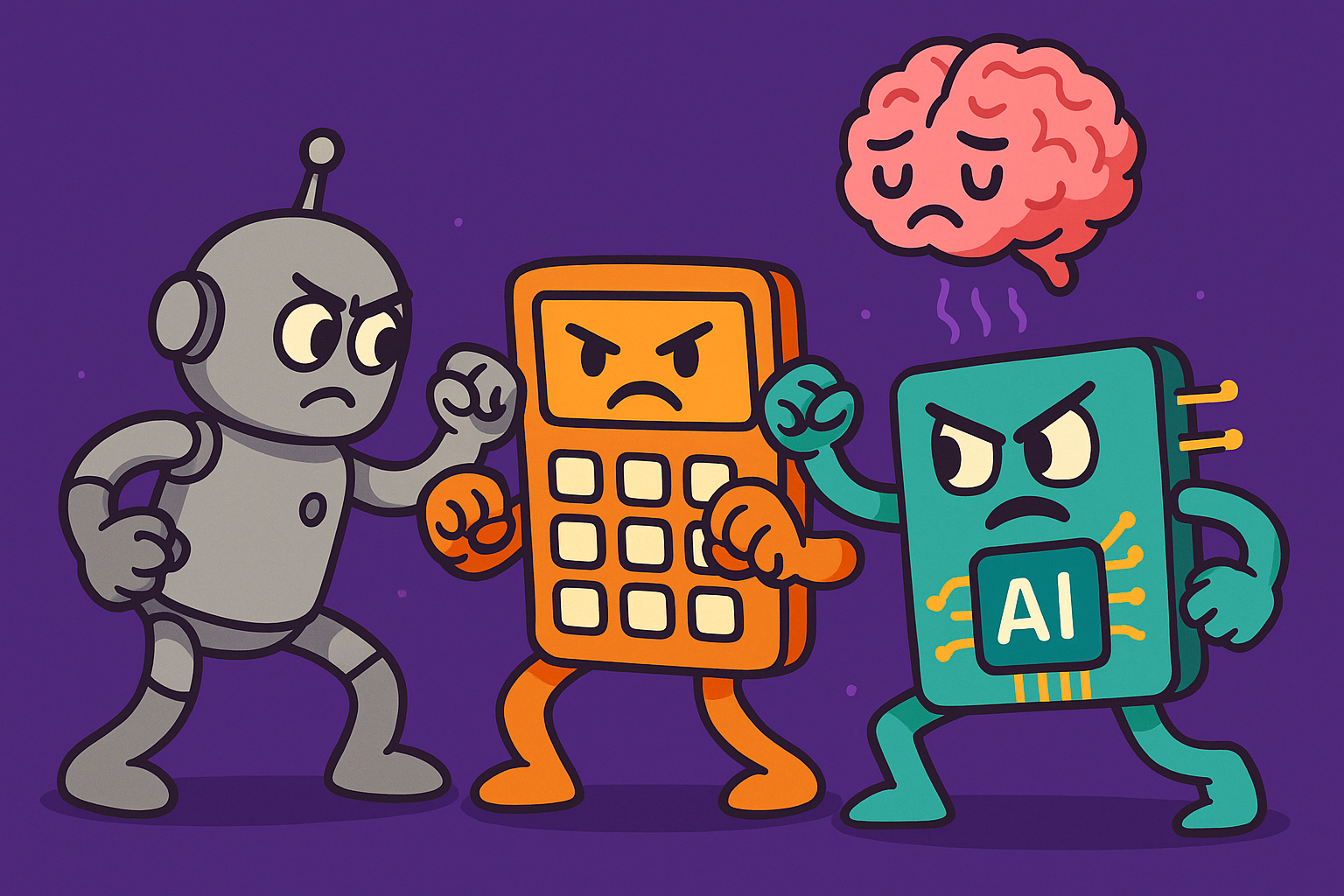
If you're a business leader trying to navigate today's tech landscape, you've probably heard these buzzwords thrown around: AI, algorithms, machine learning, and automation. They sound fancy and complicated, but don't worry – we're going to break them down in simple terms that make sense.
Think of these technologies like different types of kitchen appliances. They all help you get work done, but each one works differently and serves different purposes.
Algorithms: The Recipe Book
An algorithm is like a recipe. It's a set of step-by-step instructions that tells a computer exactly what to do. Just like following a recipe for chocolate chip cookies, an algorithm follows the same steps every single time.
Real-world example: When you search for something on Google, an algorithm sorts through billions of web pages using specific rules to show you the most relevant results.
Business impact: Algorithms help your business by making processes consistent and fast. They're great for tasks that follow clear rules, like calculating payroll or sorting customer orders.
Automation: The Kitchen Robot
Automation is like having a robot in your kitchen that can follow recipes without you having to do anything. It takes those step-by-step instructions (algorithms) and does them automatically.
Real-world example: Your email system automatically sorting messages into folders based on rules you set up, or your accounting software automatically sending invoices to customers.
Business impact: Automation saves your team time by handling repetitive tasks. Instead of manually entering data or sending the same emails over and over, automation does it for you.
Machine Learning: The Learning Chef
Machine Learning is like having a chef who gets better at cooking by tasting lots of different dishes. Instead of just following a recipe, this chef learns from experience and improves over time.
Real-world example: Netflix recommending shows you might like based on what you've watched before, or your bank detecting unusual spending patterns on your credit card.
Business impact: Machine learning helps your business make smarter decisions by finding patterns in your data. It can predict which customers might cancel their subscription or which products will sell best next month.
AI (Artificial Intelligence): The Smart Kitchen Assistant
AI is the broadest term – it's like having a really smart kitchen assistant who can think, learn, and make decisions. AI includes machine learning, but it can also understand language, recognize images, and solve complex problems.
Real-world example: ChatGPT understanding your questions and giving helpful answers, or Siri helping you set reminders and answer questions.
Business impact: AI can transform how your business operates by handling customer service, analyzing complex data, and even helping with creative tasks like writing marketing copy.
How They Work Together
Here's where it gets interesting – these technologies often work together:
- Algorithms provide the basic instructions
- Automation runs those instructions without human help
- Machine Learning improves the instructions over time
- AI combines all of these to create smart systems
Think of it like this: Your business might use automation to send marketing emails (following set rules), machine learning to figure out the best time to send them (learning from past results), and AI to write personalized subject lines that get better open rates.
What This Means for Your Business
You don't need to become a tech expert, but understanding these differences helps you:
- Make better decisions about which technology solutions to invest in
- Communicate more effectively with your tech team or vendors
- Spot opportunities where these technologies could help your business grow
- Avoid getting overwhelmed by tech jargon in meetings
Getting Started
Start small. Look for simple automation opportunities first – maybe automatically backing up your files or sending follow-up emails to new customers. Once you're comfortable with that, you can explore machine learning tools that help with customer insights or AI assistants that handle routine questions.
Remember, technology should make your business life easier, not more complicated. The goal is to free up your time so you can focus on what you do best – running your business.
Ready to explore how these technologies could transform your business operations? Get in touch with us for expert guidance on your software development and fractional CTO needs.