So you've got this amazing app idea that's going to change the world (or at least make people's lives easier). You're ready to start building, but everyone keeps telling you that you need "requirements" first.
And if they aren't telling you this? You need to run. That's a major red flag. Any developer or agency that's willing to start coding without clear requirements is setting you up for wasted time, blown budgets, and a product that doesn't solve your actual problem.
What exactly does that mean? And where do you even begin?
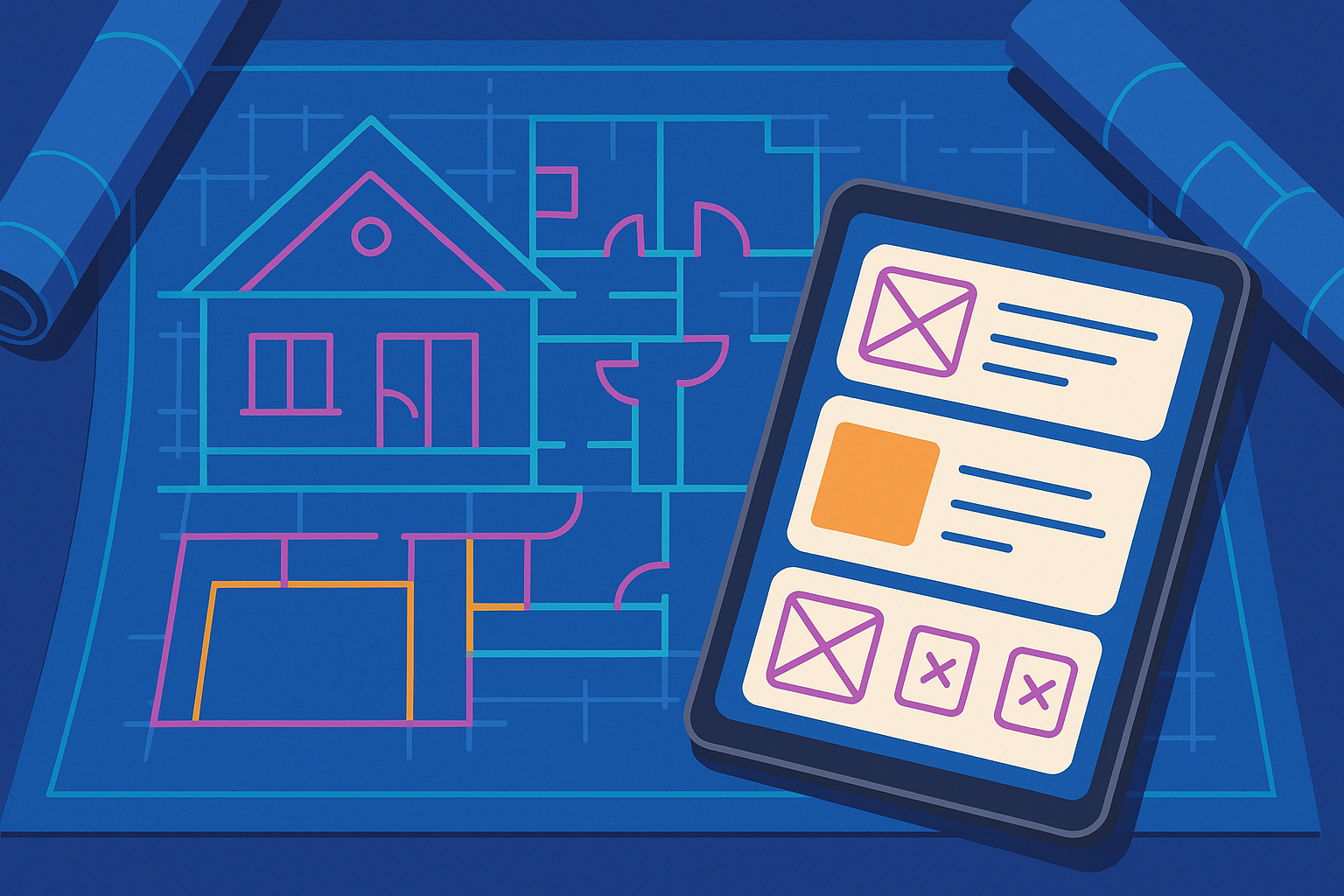
Think of requirements like blueprints for building a house. You wouldn't hire contractors and start pouring concrete without detailed plans, right? Same thing here – requirements are your blueprints for building software.
Let's break down everything you need to gather before you can create solid blueprints that will actually help you build what you envision.
1. High-Level Goals and Problem Definition
Start with the big picture. What problem are you solving? Be super specific here.
Instead of saying "I want to help people manage their time better," try something like "I want to help working parents track their kids' after-school activities without missing pickup times or double-booking events."
Your problem definition should be so clear that your grandmother could understand it and explain it back to you.
2. User Types
Who exactly will use your app? List out every single type of person who might interact with your product.
For that parent scheduling app, you might have:
- Working parents
- Kids (if they're old enough to use the app)
- Babysitters or caregivers
- Activity coordinators
- School administrators
Don't forget about behind-the-scenes users like customer service reps or administrators who might need to help troubleshoot issues.
3. User Workflows (Extra Credit)
Map out the step-by-step journey users will take to accomplish their main goals. What screens will they see? What buttons will they click?
For the scheduling app, a workflow might look like:
- Parent opens app
- Clicks "Add Activity"
- Enters activity details
- Selects recurring schedule
- Sets reminder preferences
- Saves activity
- Receives confirmation
These workflows become the foundation for your wireframes and help developers understand how everything connects.
4. Third-Party Tools and Integrations
What other apps or services does your product need to work with? This could include:
- Payment processors (Stripe, PayPal)
- Calendar apps (Google Calendar, Outlook)
- Email services (Gmail, Mailchimp)
- Social media platforms
- Mapping services (Google Maps)
Make a list of must-haves versus nice-to-haves. Your tech stack decisions might depend on how well different tools play together.
5. Feature Descriptions
Now for the fun part – describing what your app actually does! Break down each feature in simple terms.
Instead of "advanced scheduling algorithm," write something like "the app automatically suggests the best pickup routes when parents have multiple activities on the same day."
Remember, these descriptions will eventually become user stories that your development team uses to build features.
6. Your Business Plan
Your requirements need to support your business model. How will you make money? Will you have:
- Subscription fees
- One-time purchases
- Advertising revenue
- Commission from bookings
Your monetization strategy affects what features you'll need, the priority of those features, and what makes it into your MVP. A subscription model requires billing management, while an ad-supported app needs space for advertisements and analytics tracking.
7. Competitor Analysis (Extra Credit)
Take a deep dive into what's already out there. Don't just look at direct competitors – include apps that solve parts of your problem too.
For each competitor, note:
- What they do well
- What frustrates users
- Features they're missing
- Their pricing models
- User reviews and complaints
This isn't about copying what exists – it's about understanding the landscape so you can build something better.
Start Simple, Then Build
Here's the secret: you don't need to have all of this figured out perfectly before you start. Begin with the basics (problem definition, user types, and core features), then layer on the details as you learn more.
The goal isn't to create the perfect blueprint on your first try. It's to give your development team enough information to start building while leaving room to adjust as you get user feedback.
Remember, requirements are living blueprints. They'll evolve as you learn more about your users and market. The key is starting with a solid foundation so you're building the right thing from day one.
Ready to turn your big idea into detailed blueprints that actually work? We help founders like you navigate the entire process from concept to launch – without getting lost in the technical weeds. Get in touch with us for all your software development and fractional CTO needs.