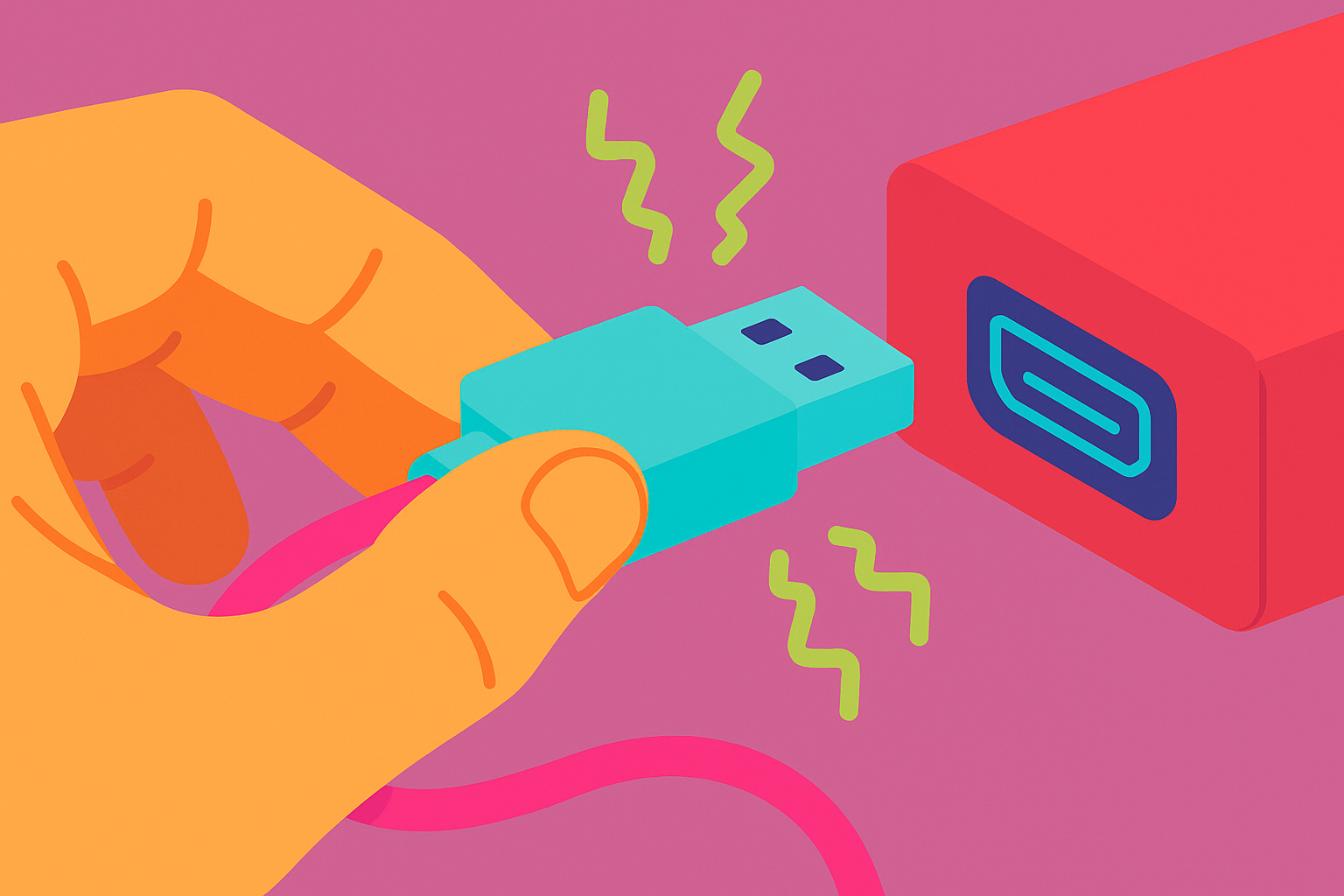
You know that feeling when you try to plug in a USB cable and get it wrong twice before it finally works? That's bad design. And according to research from McKinsey & Company, bad design isn't just annoying—it's costing companies real money.
But here's the good news: companies that nail design don't just make prettier products. They make way more money.
The Big Numbers That'll Make You Care
McKinsey tracked 300 public companies for five years. They looked at over two million pieces of financial data and recorded more than 100,000 design decisions. What they found was pretty shocking.
Companies in the top 25% for design grew their revenue 32 percentage points faster than their competitors. Their stock returns? A whopping 56 percentage points higher.
Read that again. Better design = way more money.
And here's the kicker: this worked for every type of company they studied. Medical devices, consumer products, banks—didn't matter. Good design helped them all.
What Makes Design "Good" Anyway?
McKinsey found four things that separate the winners from everyone else. Let's break them down in plain English.
1. Treat Design Like Money (Because It Is)
The best companies don't just say "design matters." They measure it like they measure sales or costs.
Think about it: you track every dollar coming in and going out. But do you know if your customers actually like using your product? Do you measure how easy your website is to navigate?
One online gaming company made a tiny tweak to their homepage based on design data. Sales jumped 25%. That's not luck—that's treating design seriously.
The CEOs at these companies don't just talk about design in meetings. They actually spend time with real customers. One major bank CEO spends a full day every month just talking to customers. His whole executive team does the same.
2. Design the Whole Experience (Not Just the Thing)
Here's where most companies mess up: they design a product, not an experience.
Your customers don't just use your app or buy your widget. They discover you online, they order from you, they get emails from you, they maybe call customer service. That's all design too.
One hotel chain figured this out. They started giving guests rubber ducks decorated with pictures of their city. Guests loved them and wanted to collect ducks from other hotels in the chain. This silly little duck led to a 3% boost in customers coming back. That's thousands of dollars from a cheap toy and a smart idea.
The best companies also think about where their product fits into a customer's whole life. A meal delivery company partnered with Netflix to send you a dinner reminder two hours into your binge-watching session. That's designing the experience, not just the food.
3. Make Everyone Care About Design (Not Just the Design Team)
You know the stereotype: designers holed up in their cool studio, drinking oat milk lattes, while the "business people" make the real decisions elsewhere.
That doesn't work.
McKinsey found that companies where designers work closely with other teams—like engineering, marketing, and sales—grow about seven percentage points faster than companies where designers work alone.
One company we know about built a fancy new design studio. Cool, right? But then all the designers moved their desks inside and literally locked out the marketing and engineering teams. Sales dropped.
The winners have designers in every meeting. They give designers good pay and bonuses tied to whether customers actually like what gets built. But they also give them freedom to try new things and connect with other designers outside the company.
4. Test Everything With Real People (Before You Build the Whole Thing)
This one seems obvious, but most companies still get it wrong.
Almost 60% of companies only test their prototypes internally—meaning they ask their own employees what they think. By the time real customers see it, it's too late to make big changes.
The best companies do the opposite. They show rough ideas to customers early and often. They're not afraid to show something ugly and half-finished if it means learning what customers actually want.
One medical device company made over 200 prototypes and tested them with real surgeons. The final product scored 90% on customer satisfaction compared to 76% for competitors. Within six months, their market share jumped 40%.
What This Means For Your Startup
If you're building a tech company and you're not technical, this research is actually really good news. You don't need to know how to code to make good design decisions. But you do need to:
- Actually talk to your customers regularly (not just once when you started)
- Measure whether people like using your product (not just whether they buy it)
- Get your designers and engineers working together (not in separate rooms)
- Test your ideas before you spend all your money building them
The companies that do these four things don't just make slightly better products. They make twice as much money as their competitors.
Start Small, Think Big
You don't have to overhaul your entire company tomorrow. McKinsey found that the best way to start is to pick one important project and commit to doing design right for that one thing.
Make your CEO (that might be you!) spend time with customers for that project. Put your designers and engineers in the same room. Test early versions with real people. Measure what works.
Then do it again for the next project.
Design isn't magic. It's not about making things pretty or following your gut. It's about understanding what your customers need and building it in a way that actually works for them.
And according to 300 companies over five years? That's worth a lot of money.
Want to learn more about the full research? Check out McKinsey's complete study on the business value of design.
Ready to build a product your customers will actually love? Reach out to us for help with everything from gathering requirements to building your MVP the right way from day one.