Why Your Startup Is Invisible Online (And What Backlinks Have to Do With It)
You launched. Your product is solid. But when you Google your startup, it’s like you don’t exist. Why are you invisible while others get found? The answer isn’t what you think.
Edie Woelfle
April 5, 2026
Why Your Startup Is Invisible Online (And What Backlinks Have to Do With It)
You built something great. Your product works. Your landing page looks sharp. But when you search for what you do on Google, you're nowhere.
Here's the uncomfortable truth: a great product doesn't mean anyone can find it. And if potential customers can't find you through search, you're leaving money on the table every single day.
The Discovery Problem No One Warns You About
Most first-time founders pour energy into building and launching. That makes sense. But there's a gap that catches most off guard: the space between "we're live" and "people are actually finding us."
Search engines don't rank websites based on how good they are. They rank based on trust. And trust, in Google's eyes, comes largely from one thing: who else on the internet is linking to you.
That's where backlinks come in.
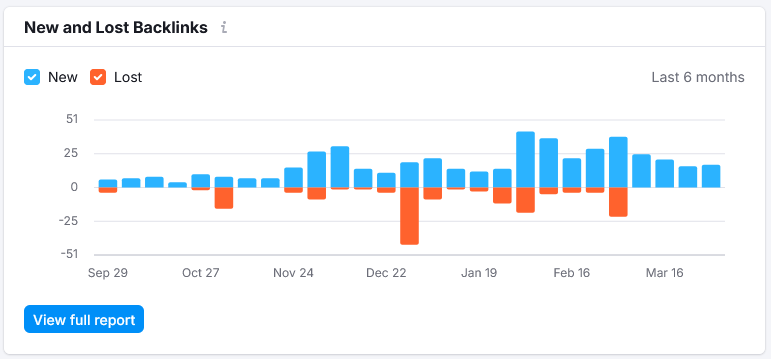
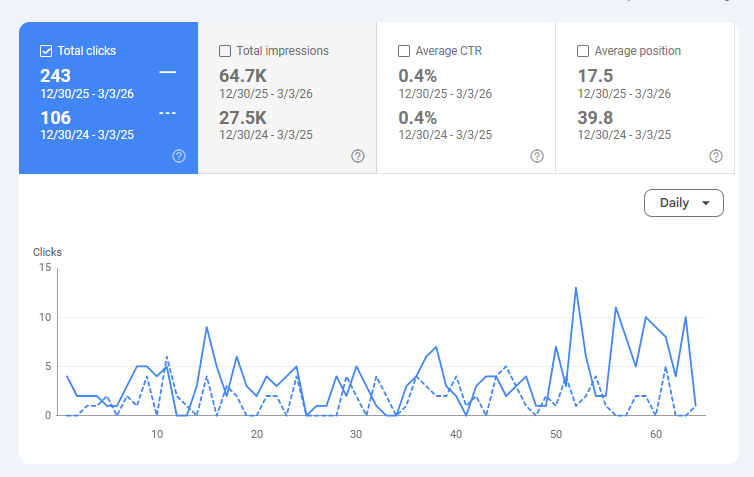
Adding just ten quality backlinks was enough to boost this client's traffic 129% year over year:
Backlinks, Explained Simply
A backlink is when another website links to yours. When a credible, established site points to your page, Google reads that as a vote of confidence. The more quality votes you have, the higher you climb in search results.
This isn't some obscure SEO trick — it's foundational to how search has worked for over two decades and still matters more than almost any other ranking factor.
The catch: not all backlinks are equal. A link from a spammy directory does nothing (and can hurt you). A link from a respected publication or industry blog? That moves the needle.
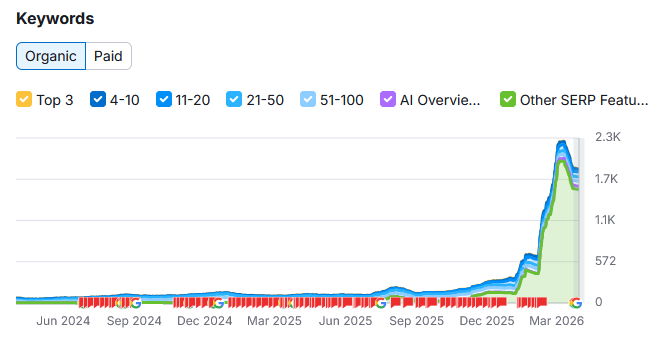
A small package of backlinks for sale was enough to make this client start appearing for two thousand new keywords in Google:
Why This Matters Even More Now
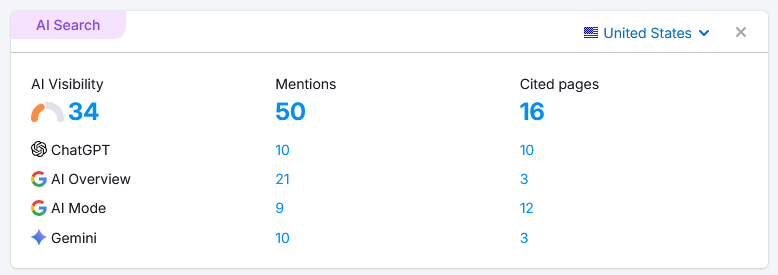
Search isn't just Google anymore. AI tools like ChatGPT, Claude, and Perplexity are becoming the way people discover products and services. These tools pull from indexed web content to generate answers — if your site has strong search authority, you're more likely to get recommended by AI too.
For startups, this is a massive opportunity. The companies that build search presence now will be the ones AI tools reference later. The ones that don't will keep wondering why nobody finds them.
The Problem With DIY SEO
You might be thinking, "I'll just write some blog posts and do it myself." Content helps, but without backlinks driving authority to your domain, your posts are competing against established sites with years of link equity built up.
It's like showing up to a race where everyone else has a head start measured in miles. Quality backlinks are the fastest legitimate way to close that gap.
A Practical Path Forward
If you're a startup looking to build organic traffic and get visible in both search engines and generative AI tools, Autonomous Agent AI offers backlink packages designed for companies in your position.
Tier I: 10 high-quality editorial backlinks
Tier II: 20 premium backlinks for competitive markets
Tier III: 40 premium backlinks for brands ready to scale aggressively
Every placement is white-hat: real editorial content on real websites. No shady directories. No link farms.
They also handle website development and AI integration consulting, so if your site needs technical SEO improvements or a full rebuild optimized for search from the ground up, they can handle that in tandem.
The Bottom Line
Search visibility doesn't happen by accident, and you can't brute-force it with social media posts alone. Backlinks build the foundation everything else sits on.
If your traffic numbers aren't growing despite doing "all the right things," the answer is probably simpler than you think: your domain needs authority. And authority comes from other trusted sites linking to yours.
The startups that figure this out early build an organic engine that compounds over time — instead of paying for every single customer through ads forever.