Today's Users Have Zero Patience
Meeting the expectations of modern software users (and why "move fast and break things" is outdated advice)

Edie Woelfle
April 7, 2026
Meeting the expectations of modern software users (and why "move fast and break things" is outdated advice)

You’ve heard the advice a thousand times: ship it fast, don’t worry about polish, users will forgive bugs if you’re solving a real problem.
That worked in 2011. It doesn’t work now.
Back then, there were fewer apps competing for attention. Users were more forgiving. “Lean startup” meant getting something out the door quickly to test your idea. That made sense.
But somewhere along the way, “lean” became an excuse for shipping broken software. Founders and investors still drink that Kool-Aid. Meanwhile, users moved on.
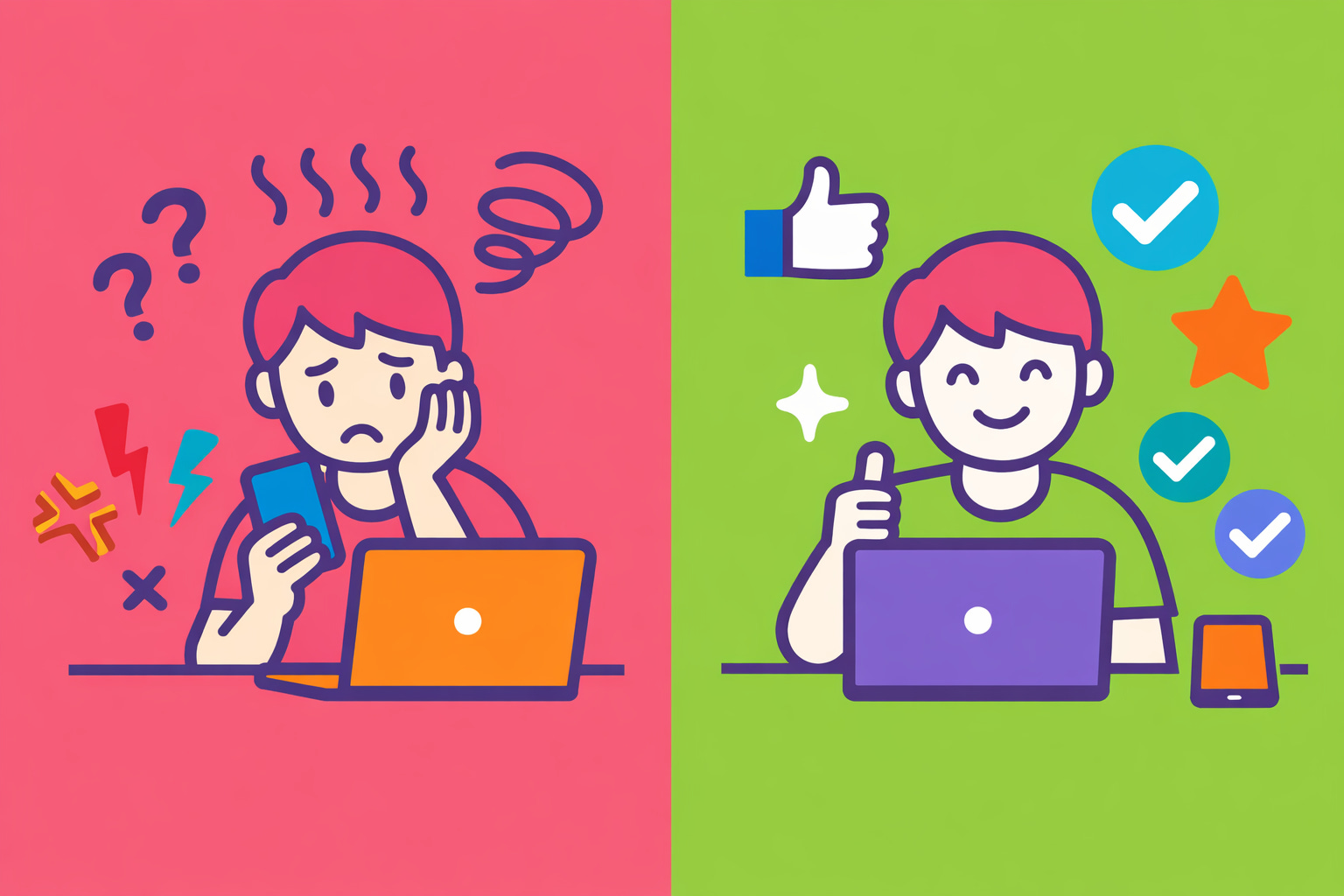
Today, when your app crashes or confuses someone, they don’t wait around. They leave. And they don’t come back.
Why? Because there are hundreds of direct competitors to your product now. AI-generated code and no-code tools mean more apps get built faster than ever. Your user has options.
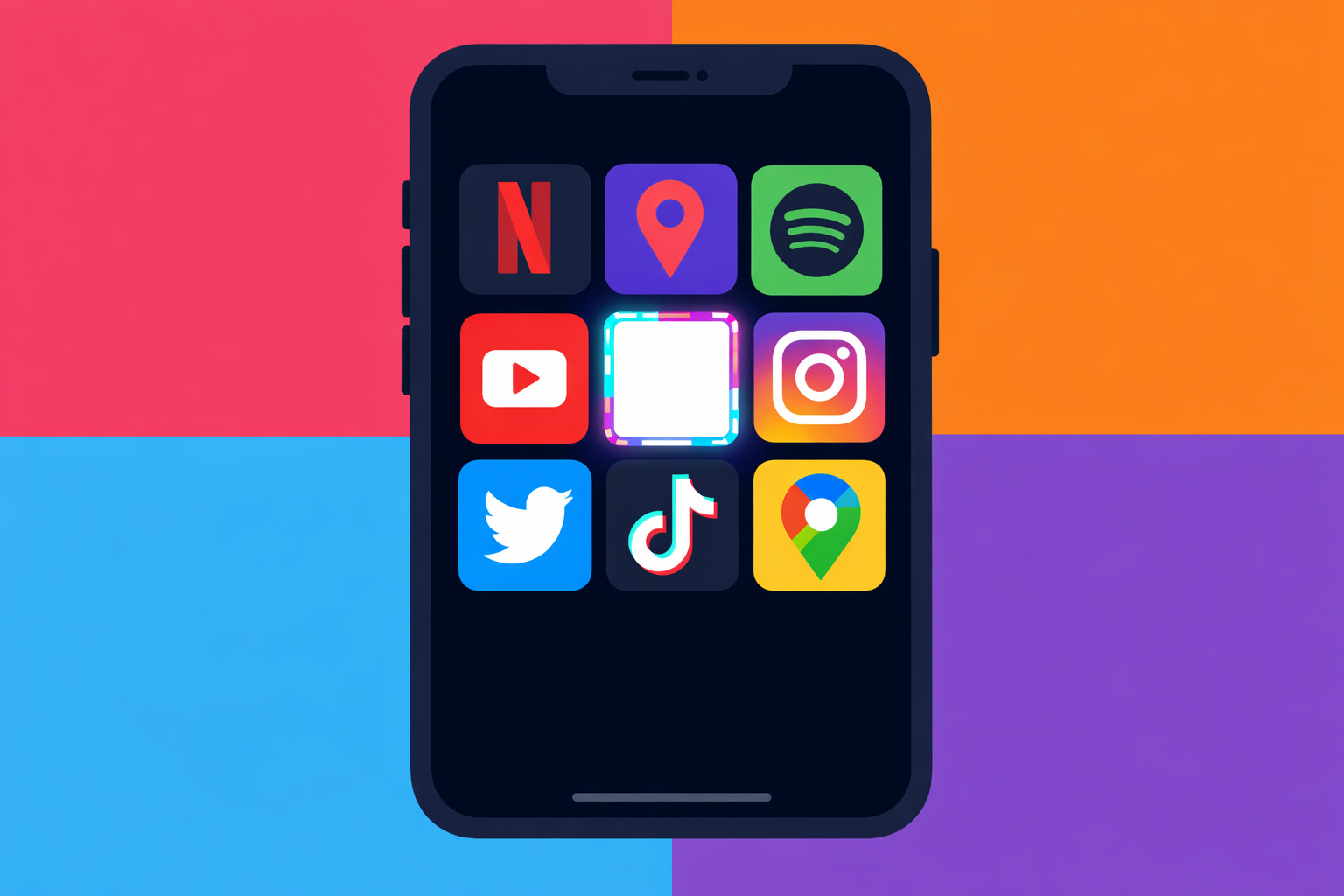
But it’s worse than that. You’re not just competing with apps that solve the same problem. You’re competing with every single experience that person has had on their phone or computer for the past 20 years.
Think about it. They’ve used Netflix. They’ve used Spotify. They’ve used Google Maps. Those apps work instantly. They don’t crash. They don’t make you guess what to do next.
That’s the bar now. Not other startups. Every app they’ve ever loved.
If your app is slow, confusing, or buggy, users assume you don’t care. They won’t give you a second chance.
This doesn’t mean you need to be perfect. It means you need to be reliable. Fast. Clear. Functional.
A backend that works beats a fancy frontend that crashes. A simple feature that delivers value beats ten half-finished ideas.
Users don’t care about your MVP philosophy. They care whether your app helps them or wastes their time.
At Keiboarder, we don’t believe in shortcuts that hurt the user experience. We help founders build products that work the first time someone tries them.
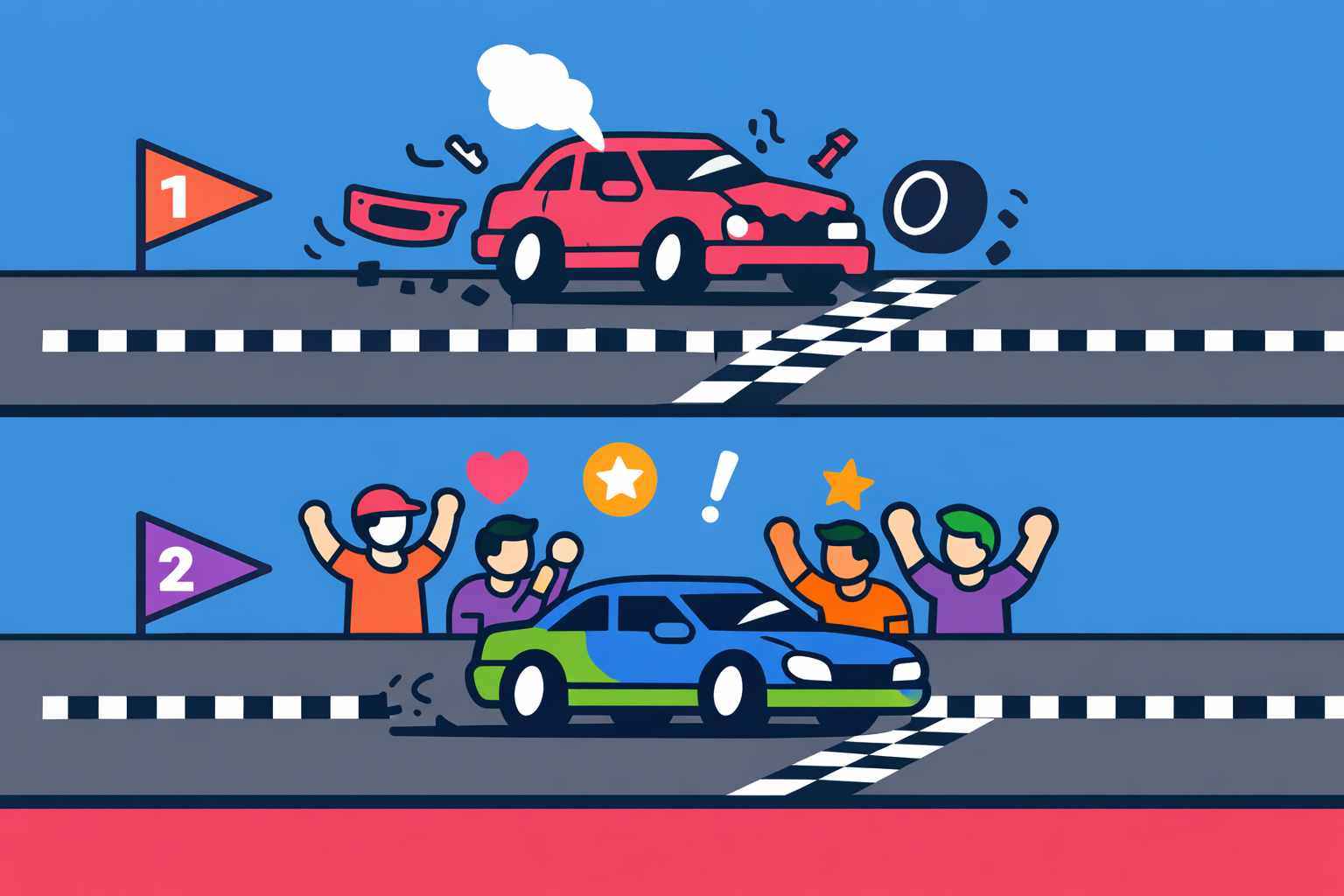
That means writing clear requirements before code gets written. It means using QA testing to catch bugs before users do. It means setting a Definition of Done so your team knows when something is actually ready to ship.
We use plain English. We skip the buzzwords. We focus on what actually works for founders who don’t have unlimited budgets or infinite second chances with users.
Our approach is simple: build it right the first time, or don’t build it at all. Because fixing broken software costs way more than building it correctly from the start.
Test your product like a first-time user would. Can they figure it out in 30 seconds?
Use tools like Hotjar to watch real user sessions and see where people get stuck
Set up a real QA process before you ship updates. Don’t rely on users to find your bugs.
Build features that solve one problem really well instead of ten problems halfway
Prioritize speed and reliability over adding new features
Remember: your users compare you to every app they’ve ever loved, not just your competitors
Most founders don’t realize how much a solid QA process changes everything. Fewer emergency fixes. Happier users. Better reviews. Less stress.
Get our Quality Assurance Guide and learn exactly how to catch problems before your users do.
Coming Next Week: The First 30 Seconds Matter Most - Making your product shine in the crucial first impression.