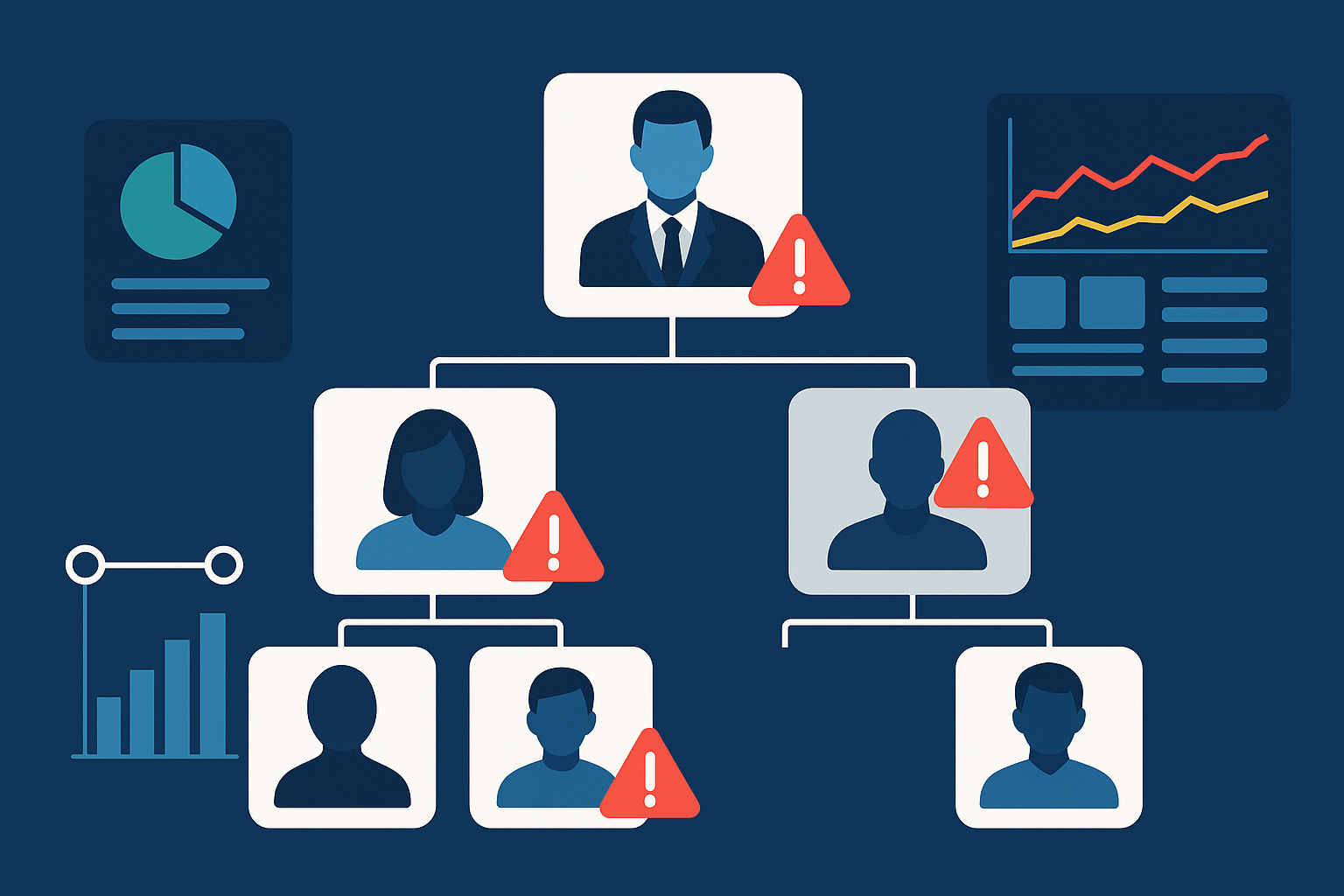
"We're excited to introduce you to your new development team lead. Marcus has extensive experience and will be taking over the project from Jennifer, who has moved on to other opportunities."
If you've heard variations of this message multiple times over the past year, your organization is experiencing more than a staffing inconvenience. High developer turnover at your vendor represents a significant operational risk that's likely impacting your budget, timeline, and compliance posture in ways that may not be immediately visible.
Institutional Knowledge Loss Creates Compliance Gaps
Enterprise applications often include complex business logic, regulatory requirements, and integration dependencies that took months to properly implement. When experienced developers leave your vendor's organization, they take critical understanding of these systems with them.
New team members must reconstruct this knowledge base, often leading to implementations that may not fully comply with your organization's security protocols, audit requirements, or industry regulations. This knowledge gap creates compliance risk that can have significant financial and reputational consequences.
Project Continuity and Budget Predictability
High turnover directly impacts project timelines and budget forecasting. Each transition period requires new developers to understand not only your technical requirements, but also your business processes, integration constraints, and organizational standards.
During these transition periods, development velocity typically decreases by 60-80% while new team members achieve proficiency. However, you continue paying full project rates for reduced productivity, creating budget overruns that compound across multiple turnover events.
Code Quality and Technical Debt Accumulation
Developers approaching departure often prioritize delivery speed over code quality, knowing they won't be responsible for long-term maintenance. This behavior creates technical debt that accumulates with each staffing transition.
Additionally, incoming developers frequently lack the context to understand why specific architectural decisions were made, leading to modifications that may compromise system stability or performance. These quality issues become increasingly expensive to resolve as your system scales.
Security and Access Management Concerns
Each developer transition creates security administration overhead for your IT department. Access credentials must be revoked for departing personnel and established for new team members, creating potential security gaps during transition periods.
Furthermore, departing developers retain detailed knowledge of your system architecture, potential vulnerabilities, and access patterns. While contractual protections exist, the practical security implications of this knowledge transfer cannot be entirely mitigated through legal agreements alone.
Vendor Relationship Management Overhead
High turnover at your development vendor requires increased internal management resources. Your technical leadership must repeatedly:
- Conduct knowledge transfer sessions with new personnel
- Review and approve architectural decisions made without full context
- Manage quality issues arising from incomplete understanding
- Coordinate with your security and compliance teams for access management
This management overhead diverts your internal technical resources from strategic initiatives, reducing the ROI of your development investment.
Impact on Integration and System Dependencies
Enterprise applications typically integrate with multiple internal systems, each with specific protocols, security requirements, and data handling procedures. Understanding these integration requirements represents significant intellectual capital.
When developers familiar with your integration landscape leave, new team members must learn these dependencies from documentation (if it exists) or through trial and error. This learning process often results in integration issues that can impact other business systems and require emergency remediation.
The Compounding Effect on Vendor Lock-in
As we discussed in our analysis of how low-cost development partnerships create operational dependencies, high turnover exacerbates vendor lock-in scenarios.
Each knowledge transfer failure creates additional dependencies on your vendor's institutional memory. Even when individual developers leave, your organization becomes increasingly reliant on the vendor's remaining personnel who may have incomplete understanding of your system's evolution.
Risk Assessment and Mitigation Strategies
Organizations should evaluate their development partnerships through a risk management lens, considering turnover rates as a key performance indicator for vendor stability.
Effective risk mitigation includes requiring comprehensive documentation standards, regular knowledge transfer protocols, and contractual provisions that address continuity planning. Additionally, consider whether your vendor's compensation and retention strategies indicate long-term stability.
Strategic Partnership Evaluation
High-performing development partners invest in employee retention through competitive compensation, professional development opportunities, and engaging project assignments. They also maintain robust documentation practices and knowledge management systems that minimize the impact of personnel changes.
When evaluating development partnerships, consider turnover rates, documentation standards, and transition protocols as critical factors in vendor selection and performance management.
The Role of Technical Leadership in Vendor Management
Many organizations benefit from dedicated technical leadership to manage vendor relationships and ensure continuity during staffing transitions. Fractional CTO services can provide the expertise needed to evaluate vendor performance, implement governance frameworks, and manage the technical risks associated with development partnerships.
This technical oversight helps ensure that vendor staffing changes don't create operational disruptions or compromise your organization's technical standards.
Is vendor turnover creating operational risk for your organization? Our Technical Due Diligence services help enterprises assess vendor relationships and implement governance frameworks that protect against staffing-related disruptions. Contact our team to discuss how we can help minimize vendor-related operational risks and ensure project continuity.