You've probably heard the term "SOC II" thrown around in startup circles, especially when talking to enterprise clients or investors. But what exactly is it? And more importantly, do you actually need it for your startup?
Let's break it down in simple terms so you can make the right decision for your business.
What Is SOC II?
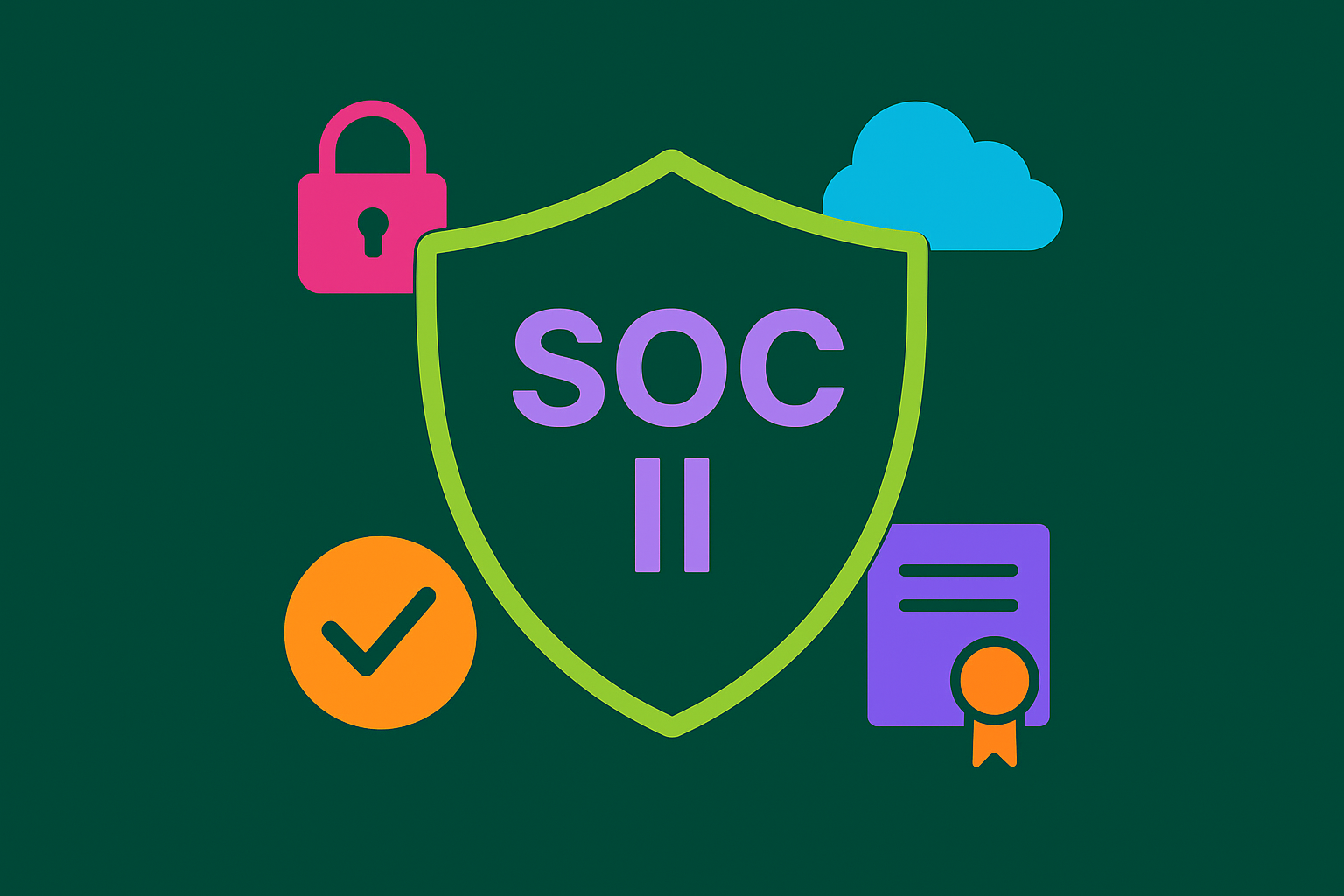
SOC II (Service Organization Control 2) is basically a security report card for companies that handle customer data. Think of it like a background check, but for your technology and security practices.
When you get SOC II certified, an independent auditor examines how you protect customer information. They look at five key areas:
- Security - How you protect data from hackers
- Availability - Whether your system stays up and running
- Processing Integrity - If your system works correctly
- Confidentiality - How you keep private information private
- Privacy - How you handle personal data
The auditor then creates a report that says "Yes, this company knows how to keep data safe" or points out where you need to improve.
When SOC II Actually Matters
You're Selling to Big Companies
Enterprise clients almost always ask for SOC II compliance. These companies have strict rules about who they work with, and SOC II is often a non-negotiable requirement.
If you're planning to sell to Fortune 500 companies, government agencies, or large corporations, you'll likely need SOC II to even get in the door.
You Handle Sensitive Data
Are you storing credit card information, health records, or personal data? If yes, SOC II shows customers you take data protection seriously.
This is especially important for:
- Healthcare tech stacks
- Financial services
- HR platforms
- Any SaaS handling customer data
Investors Are Asking Questions
When you're raising Series A or beyond, investors often want to see SOC II compliance. It shows you're building a mature company that takes security seriously.
You're in a Regulated Industry
Some industries require SOC II or similar compliance standards. If you're unsure about your industry's requirements, check with a lawyer who specializes in your field.
When You Can Skip SOC II (For Now)
You're Still in MVP Mode
If you're just testing your idea with early customers, SOC II is probably overkill. Focus on building something people want first.
You Only Sell to Small Businesses
Most small businesses don't require SOC II compliance. They're more focused on whether your product solves their problem and fits their budget.
You Don't Store Sensitive Data
If your app doesn't collect credit cards, social security numbers, or health information, SOC II might not be necessary.
You're Pre-Revenue
Getting SOC II certified costs money and time. If you're not making revenue yet, it's probably not worth the investment.
The Low-Code/No-Code Compliance Trap
Here's something many founders don't consider: if you're building with low-code or no-code platforms, your compliance options might be limited by your platform choice.
For example, Bubble (a popular no-code platform) doesn't have SOC II certification. This means if you build your entire product on Bubble and later need SOC II compliance for a big client deal, you're stuck.
You'll either have to:
- Turn down the deal
- Rebuild your entire platform on a SOC II-compliant infrastructure
- Find workarounds that might not satisfy the client
This exact scenario happened to an EV startup we worked with. They spent two years building their platform on Bubble. When they were on the verge of closing a major deal that would bring in six figures annually, the client asked for SOC II certification.
The startup discovered that not only could Bubble not provide SOC II compliance, but the platform wouldn't even support the complex features needed for their big partnership. They had to completely start over and rebuild everything from scratch - wasting the $60,000 they'd already invested and potentially losing their game-changing deal.
You can read the full story in our case study about providing strategic support to an EV startup.
Choosing SOC II-Ready Platforms
If you think you might need SOC II compliance down the road, consider these factors when picking your development approach:
SOC II-Compliant Options:
- AWS, Google Cloud, Microsoft Azure (for custom development)
- Retool (has SOC II certification)
- Some enterprise-focused low-code platforms
Non-SOC II Options:
- Bubble
- Many consumer-focused no-code tools
- Some smaller hosting providers
The key is thinking ahead. If there's even a chance you'll need SOC II compliance, it's worth paying a bit more upfront for a compliant platform rather than rebuilding later.
Key Questions to Ask Yourself
Before deciding whether you need SOC II, ask these questions:
1. What type of customers do I want?
- Enterprise clients? You'll likely need it.
- Small businesses? Probably not necessary.
2. What data do I collect?
- Credit cards, health records, or personal info? Consider SOC II.
- Just basic contact information? You might be fine without it.
3. What are my competitors doing? If everyone in your space has SOC II compliance, you might need it to compete.
4. What are potential customers asking for? If prospects keep asking about SOC II during sales calls, that's a clear sign you need it.
5. Where am I in my startup journey?
- Early stage? Focus on product-market fit first.
- Scaling up? Time to consider compliance.
6. What platform am I building on?
- Can it support SOC II compliance if needed?
- Will I be locked into a non-compliant solution?
7. Do I have any big deals on the horizon? Enterprise clients often spring SOC II requirements during negotiations. Better to be prepared.
The Real Cost of SOC II
Getting SOC II certified isn't just about the auditor's fee (which can range from $15,000 to $50,000+). You'll also need to:
- Implement proper security controls
- Document all your processes
- Train your team on compliance procedures
- Possibly hire security specialists
- Potentially rebuild on a compliant platform if you chose wrong initially
The good news? Many of these practices make your company more secure anyway, which is always a good thing.
When to Start the Process
If you've determined you need SOC II, don't wait until the last minute. The process typically takes 3-6 months and includes:
- Gap assessment - Figure out what you're missing
- Implementation - Put the right controls in place
- Monitoring period - Usually 3-12 months of following procedures
- Audit - The actual examination by a certified auditor
Making the Right Choice
SOC II compliance can open doors to bigger clients and higher revenue, but it's not always necessary for every startup. The key is understanding your market, your customers' needs, and where you are in your growth journey.
If you're selling to enterprise customers or handling sensitive data, SOC II is probably worth the investment. If you're still figuring out your product or serving small businesses, you might want to wait.
Just remember to consider compliance requirements when choosing your development platform. It's much easier to start with a SOC II-ready solution than to rebuild everything later when a big deal is on the line.
Worried about making the right platform and compliance decisions for your startup? We've helped companies navigate SOC II requirements and avoid costly rebuilds when major deals are at stake. Contact us for all your software development and fractional CTO needs.